I’m still thinking about courage, in poetry and elsewhere. Given when and how and where we are now, all of us, it’s not surprising.
Some of the bravest people I’ve known have been eleven-year-olds. (Or ten, or twelve.) In 2001, the day after 9/11, I sat with a group of kids shaken but still thinking together: trying to come to terms with large jets flown deliberately into skyscrapers, terrible loss of life engineered by members of our own species.
A kid named Sam said, “I keep wondering about the people in the second jet. They probably knew what was going to happen. What was that like for them?” Years later I still honor the intellectual and moral courage in that circle of kids, as in so many.
I watched kids bring another kind of courage to the more routine mortality curriculum. That came to us, often unexpectedly, via death in the course of ordinary life: deaths of pets, of grandparents, of parents, of siblings. (Also divorces, which can feel to kids like deaths.) All of this we processed partly through time outside and in motion, important in so many ways, along with time spent in our circle, talking and listening. Maybe most of all, though, we grew to hold the reality of loss through writing, and through reading: young adult fiction which I read aloud to the group, and titles for silent reading time, chosen by each individual student.
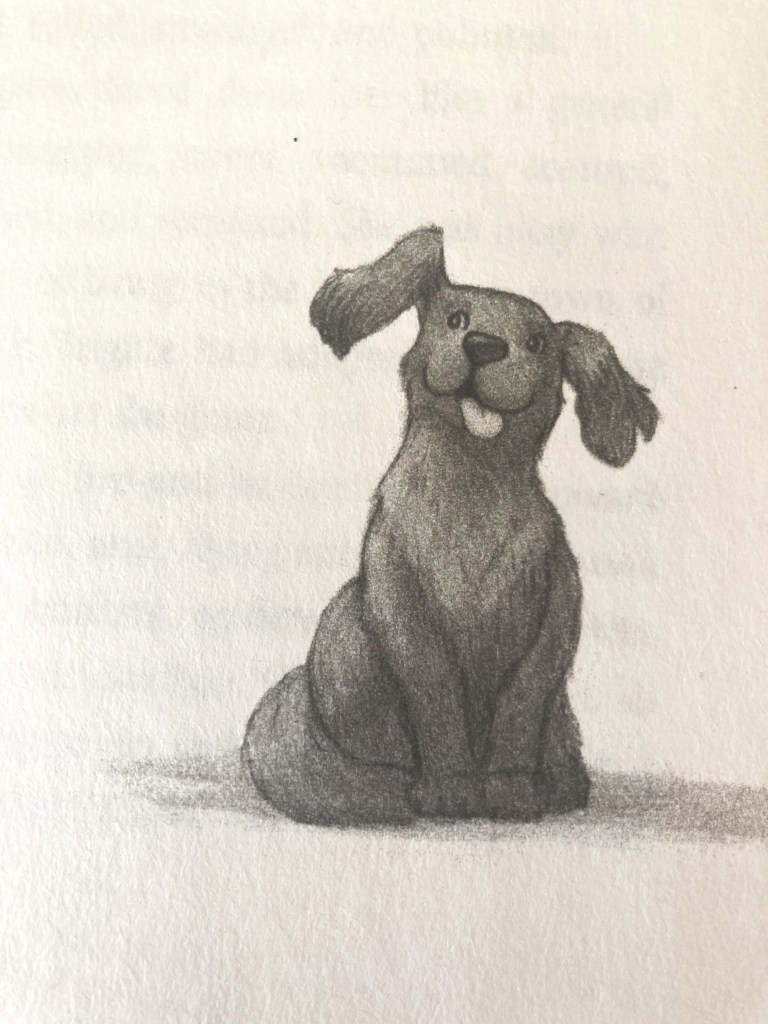
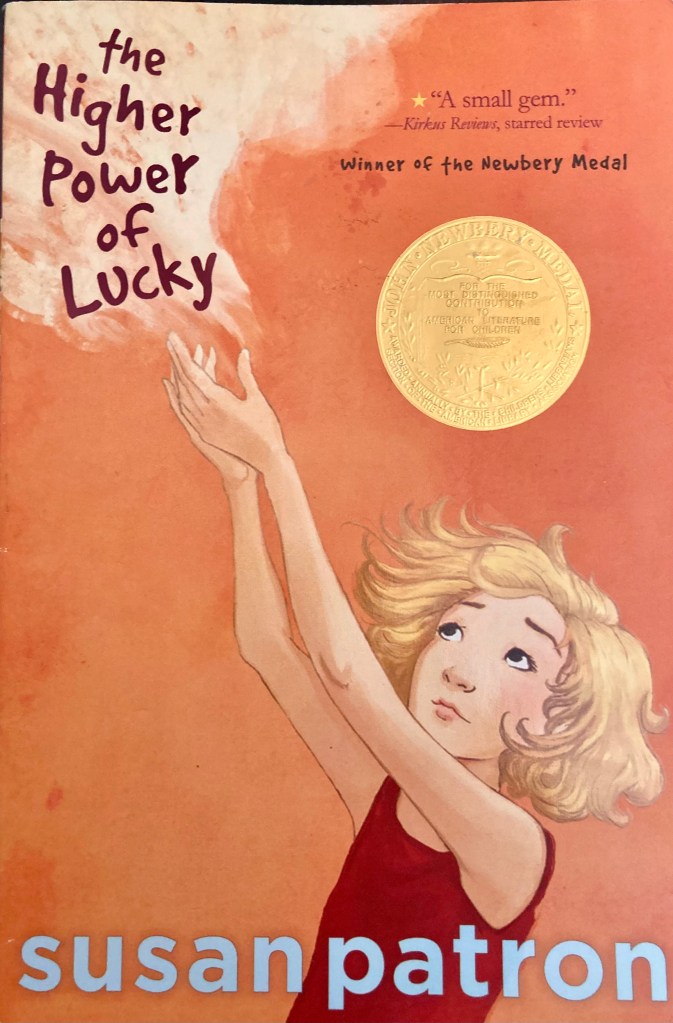
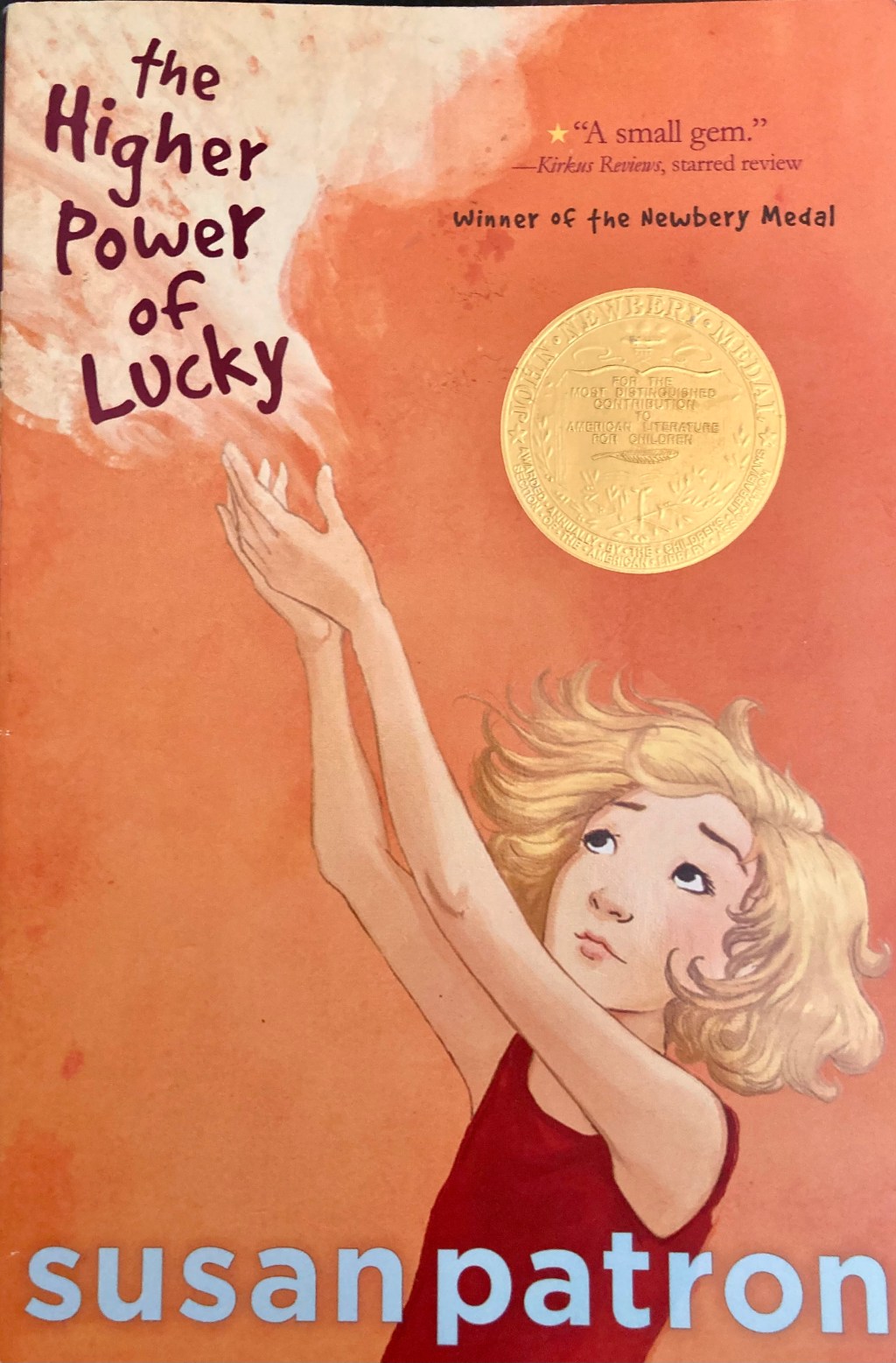
We first meet Lucky Trimble, the fictional not-quite-eleven-year-old heroine of Susan Patron’s The Higher Power of Lucky, a couple years after her mother’s sudden accidental death. She’s spent even more years (all her years conscious) struggling with the notion of a father she’s never known, who seems to want nothing to do with her. Showing a trademark resourcefulness, Lucky regularly eavesdrops on the meetings of 12-step recovery groups, crouching by the wall of their meeting place. She knows about hitting bottom; knows about reaching for what will lift her.
In Lucky’s ways of coping with the world’s unreliability and her powerlessness, so much feels familiar to me, reminding me of kids I’ve taught, reminding me of myself. Lucky lives next door to the Mojave Desert, and has come to know it well, from the distant blue of the Coso Range to a nearby Joshua tree and its “families of lizards, pocket mice, cactus wrens, and beautiful small white moths.” Bearing witness to both life and death, Lucky collects souvenirs: a translucent snakeskin, dry beetles, owl pellets full of tiny bones.
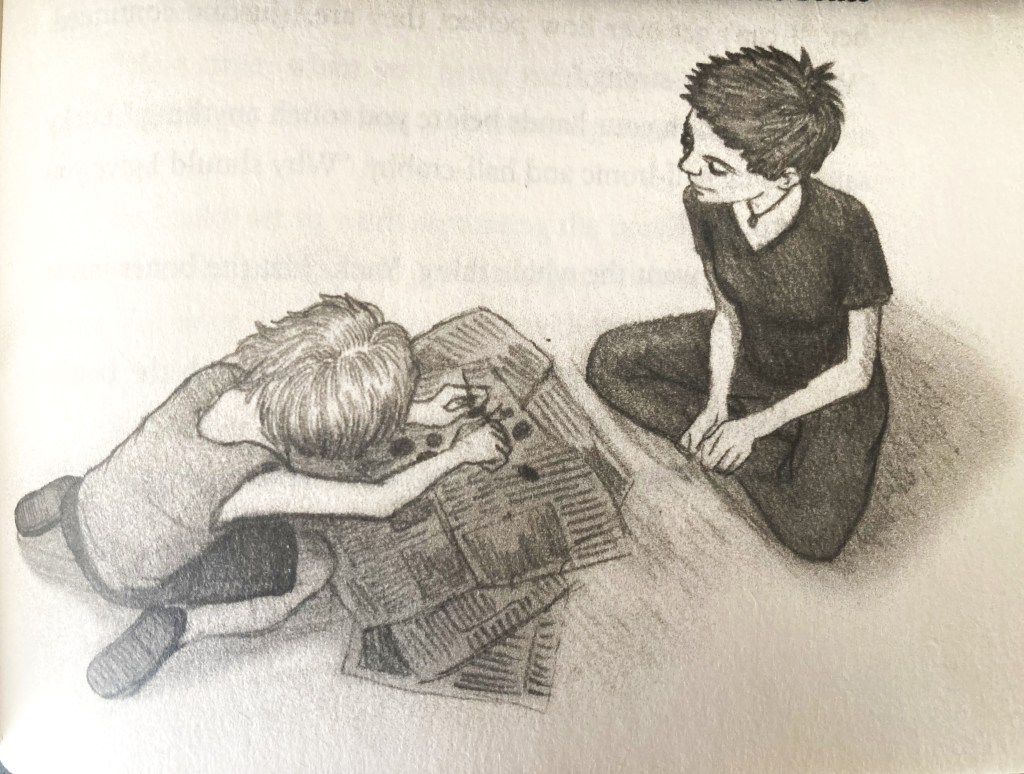
Lucky thinks and thinks about everything, including the many coincidences that link her life with Charles Darwin’s: their shared interest in beetles; the ages they were when their mothers died. She names her dog, who is not a beagle, HMS Beagle, in honor of her hero.
Because she is always working so hard on courage, Lucky sometimes takes crazy risks, wandering off across the desert through a dust storm, climbing down into an abandoned well on a ladder that breaks under her weight. Without consciously meaning to, she goes hunting, again and again, for evidence that she’s worth saving.
Needing the comfort and inspiration of literature that doesn’t dodge hard stuff, but also offers hope, I’ve just reread Lucky for Good, the third book in the series, yet again. I’m writing this post partly to substitute for the letter I can’t send to Susan Patron, Lucky’s creator. Patron is no longer with us: that third book about Lucky was her last. (I deeply disapprove of the way this keeps happening, oftener the older I get.)
Still, Lucky is in fact lucky. The elusive father has persuaded a previous wife to fly from Paris to California, to become his child’s guardian. By the end of the first book, she’s decided to adopt Lucky. Their whole town of Hard Pan, pop. 43, holds Lucky in their care, and rewards the efforts of her own caring.
One way and another, I recognize what Lucky has. It’s that combination we always wanted Touchstone kids to have: a safe place to be an individual, no matter how unusual, how quirky; and also a wise place in which to learn habits and skills and trust for sustaining community.
Of course, I’m lucky also: I was actually paid for all those years I spent reading and then promulgating crackerjack books for kids, trying to convince my poetry friends to read the poetry inside children’s books. I know still the luck of all those hours I spent with eleven-year-olds (and ten, and twelve), applauding their spirit and stubborn grace, admiring their collections and products, cracking up at their jokes, encouraging them to appreciate each other.
After all, especially at times somewhere out beyond tricky, we’re all eavesdropping on each other, trying to learn what we need to know from each other’s stories, and lucky to share both words and silences, in every form and genre.
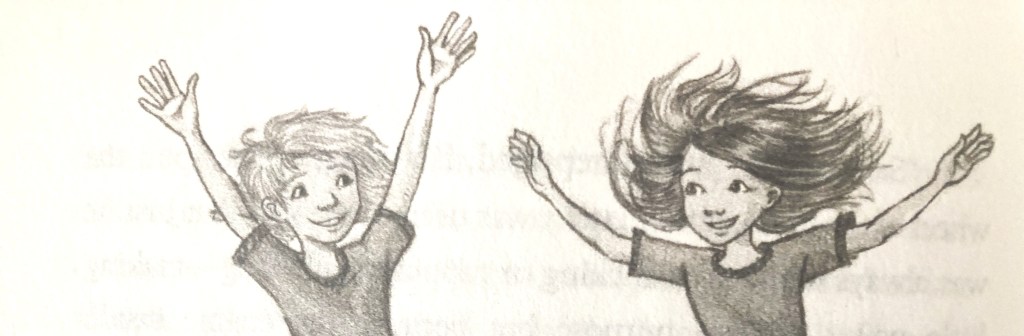
A few last notes:
- The wonderful illustrations I’ve borrowed here were made by Erin McGuire, for the cover of The Higher Power of Lucky, and for Lucky for Good. The entire trilogy, Lucky’s Hard Pan, is published by Atheneum Books for Young Readers, a division of Simon and Schuster.
- You can read more about life at Touchstone Community School at ayeartothinkitover.com, and about connections between my teaching life and my poetry life here.
- You can also read about the poetry villages I’ve helped to build and still treasure, by scrolling down here.
- Come to think of it, Hard Pan might not be a bad name for an actual physical settlement of poets. Aha! In my dreams!
 Polly Brown / Poet
Leave a comment